


Beijing Guoan played an emotionally charged match at Workers’ Stadium last night, scoring five goals in total, but three of them were disallowed. While referee Ma Ning had procedural justifications for each decision under the rules, the team’s relentless efforts throughout the night failed to secure the three points they deserved—a harsh outcome for the players. The club has legitimate grounds to continue appealing to the Chinese Football Association.
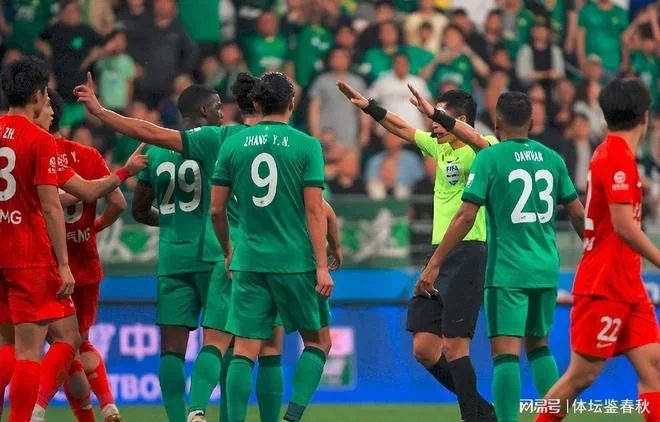
But even if Guoan appeals, what difference will it make? The result remains unchanged, and the CFA is unlikely to budge. Ma Ning’s position within the association is far removed from that of an ordinary CSL referee. As China’s most promising candidate for the World Cup, his current task extends beyond officiating domestic matches. In recent years, Ma has been trusted by FIFA for major assignments—from serving as a fourth official at the Qatar World Cup to taking charge as the main referee in the Asian Cup and Club World Cup. He has become the face of Chinese refereeing on the global stage.
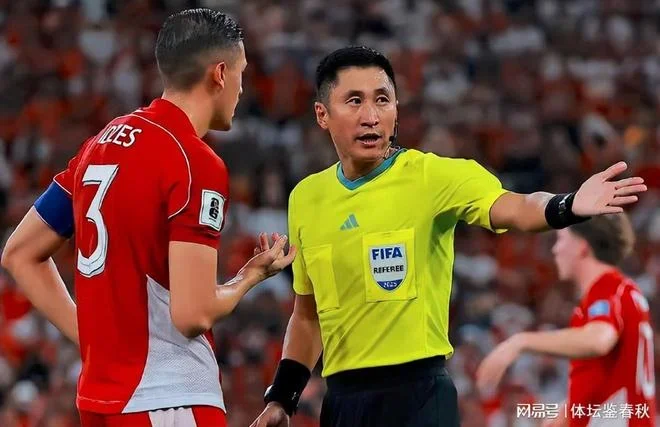
This means that if the CFA officially acknowledges that Ma Ning made a fundamental error in the Beijing–Shanghai showdown, the impact would go far beyond a single CSL match—it would undermine the credibility of Chinese referees within FIFA’s evaluation system. FIFA’s requirements for World Cup and international tournament referees aren’t limited to on-field performance; they also include handling pressure and maintaining stability in public opinion. Therefore, the CFA cannot afford to make any decision that would harm Ma Ning.
During the previous World Cup, Ma was included in the referee list but only served as a fourth official. Now, with the 2026 World Cup approaching, the CFA hopes he can take a step further and officiate matches as the main referee. At this critical juncture, they are even less likely to label China’s “referee model” as one who made a major mistake.
As a result, Guoan’s current appeal will not receive a positive response. If they continue to voice their grievances loudly on social media—or allow club staff to make emotionally charged statements—it will only harm the team’s situation further. Over the years, the CSL has seen numerous clubs, players, or coaches vent their frustrations online against the CFA, only to face unfavorable treatment later.
Of course, Beijing Guoan has every right to feel aggrieved, but they need to focus on themselves first: strengthen the overall quality of the squad and respond to injustice with victories on the pitch, rather than betting on a nearly predictable outcome through continued online protests.
Although Guoan’s league performance this season hasn’t been impressive, the team’s spirit has returned. Especially in the last two rounds, they adjusted their tactics, gave their all, and achieved decent results. In the previous round, despite missing several players due to injury or red-card suspensions, and having three goals disallowed, they still dominated Shanghai Port and almost secured three points. This fighting spirit—a relentless refusal to give up—is far more important than a simple written appeal.
Because sometimes professional football is brutally unfair: playing well doesn’t guarantee victory, league matches don’t pause, and the scoreline won’t change. For Beijing Guoan right now, the best thing they can do is keep appealing to the CFA, but what truly helps them recover what they’ve lost is to score goals in the next match—goals so clean that even VAR can’t find a flaw to disallow them.
